







Palestinian Fighters in Rafah Endure Isolation Under Expanding Israeli Control
Dozens of Palestinian fighters are trapped in Rafah’s tunnels with almost no supplies as Israeli forces expand control and intensify strikes. Safe-passage negotiations remain stalled.
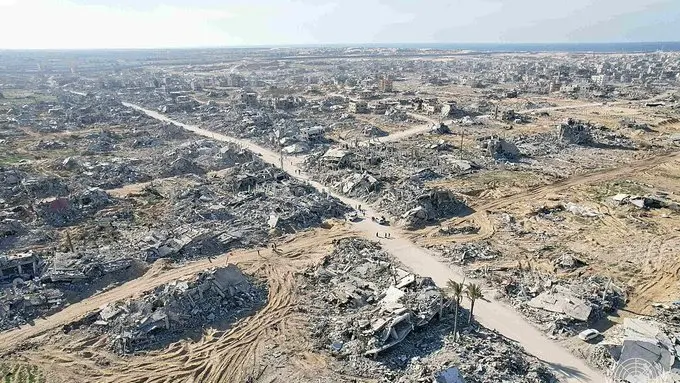
Israeli operations continue to target Rafah’s underground tunnel network, where dozens of Palestinian fighters remain trapped with minimal supplies. Photo: @peoplesdispatch
December 3, 2025 Hour: 6:23 am
🔗 Comparte este artículo
Dozens of Palestinian resistance fighters remain trapped in underground positions in Rafah with almost no food, ammunition, or communication, as Israeli forces tighten control over southern Gaza and continue targeting tunnel networks.
RELATED:
UN Secretary-General Reiterates Call for Two-State Solution in Palestine
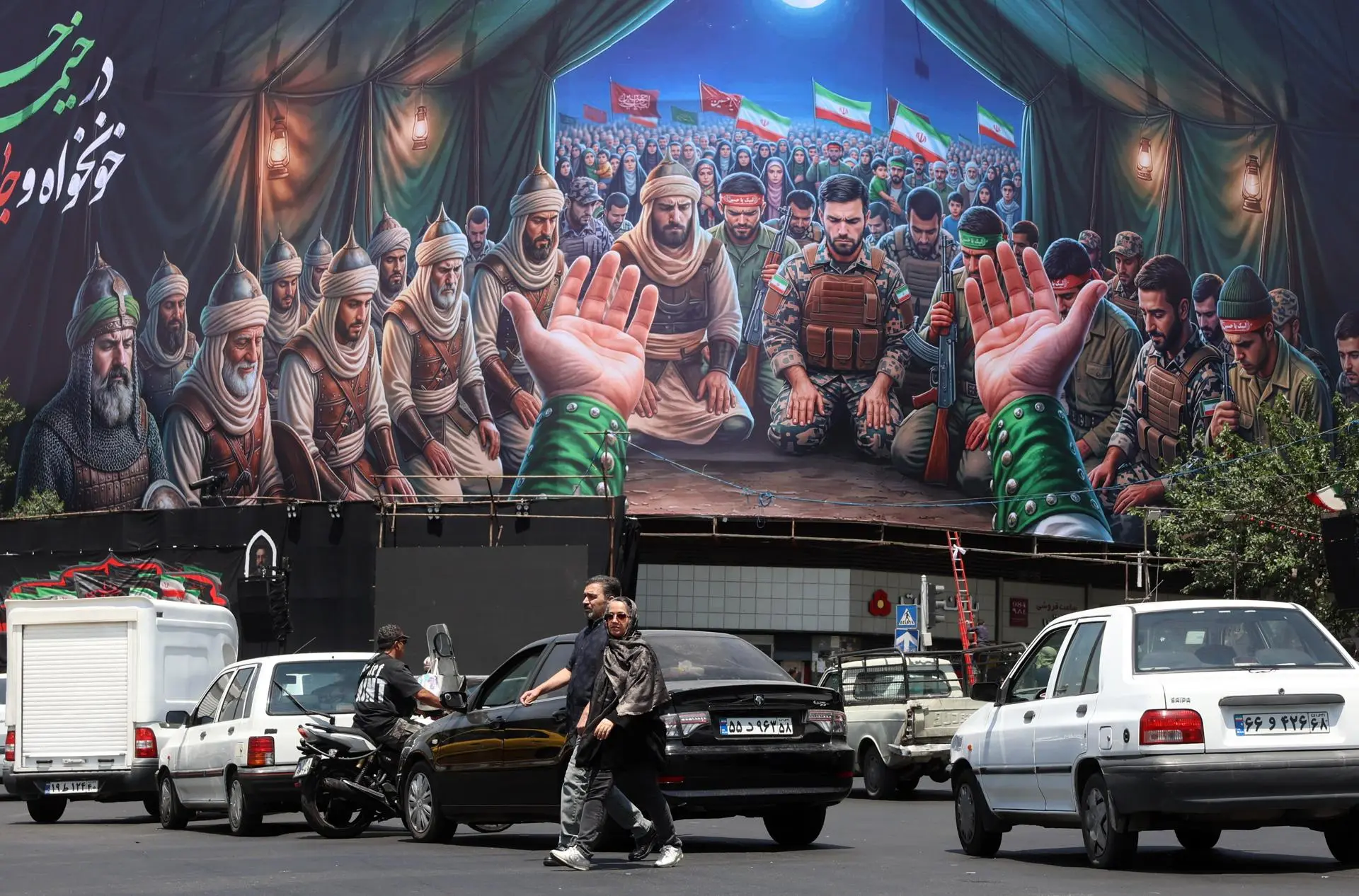
Reports from Rafah indicate that Palestinian fighters have been encircled for months in underground tunnels now located in areas held by Israeli forces. According to a live interview on Monday with Press TV correspondent Motee Abu Mosabeh, the fighters’ isolation and lack of supplies led him to compare their situation to the historic stand of Imam Hussein and his companions at Karbala nearly 1,400 years ago.
The fighters have resisted Israeli military operations throughout the past two years, during which Israeli forces sustained significant losses in Rafah. However, contact with them has been lost for months, and their supplies of food and munitions have nearly run out.
When several fighters reportedly emerged from the tunnels in search of food, they were immediately targeted by drones operated by Israeli forces. The Israeli military continues to bomb and destroy tunnel segments in Rafah in an effort to weaken the armed resistance.
Israeli officials have acknowledged limitations in their campaign against the tunnel network. During a meeting with the U.S. vice president, Israel’s war minister admitted that “60 percent of Hamas tunnels were not destroyed” despite two years of attacks.
Israeli forces now control approximately 58 percent of Gaza and use advanced tracking technology to detect any movement when fighters attempt to surface. Accounts differ regarding how long the fighters have been underground. Some reports suggest they have been trapped since February, shortly after the second truce took effect, while others state that their isolation began in October, following the previous ceasefire.
The Islamic Resistance Movement (Hamas) says that the guarantors of the truce must ensure safe passage for the trapped fighters, but no concrete steps have been implemented. Discussions with regional guarantors continue without producing specific measures.
The Palestinian Health Ministry reports that 70,100 Palestinians have been killed by Israeli attacks in Gaza since October 2023. Israeli forces say they have killed at least 40 of the fighters trapped in Rafah, though this figure has not been independently verified. Estimates indicate that dozens remain underground in an area now almost entirely under Israeli control.
The fighters are surrounded by forces equipped with advanced weaponry, while facing severe shortages of food and water. Reports also indicate that Israeli authorities sought their mass surrender, which has not occurred.
The ongoing situation has drawn renewed attention to international law. References to the Geneva Conventions highlight that occupied peoples retain the right to resist, including through armed struggle for self-determination. All 196 signatories are obligated to uphold these principles, yet the violations reported in Gaza continue without repercussions.
The analysis shared on Press TV criticizes Western governments that portray themselves as defenders of human rights while supplying Israel with weapons used throughout the conflict and failing to enforce the terms of the truce. It notes that these governments have not ensured safe passage for the trapped fighters and have allowed Israeli operations in Rafah to continue unchecked.
The report cites a statement attributed to Imam Hussein: “Dying with dignity is better than living in humiliation,” framing the endurance of the fighters within a broader historical and political context. It concludes with calls for global pressure to ensure accountability, demand safe passage, and insist that all commitments under the truce be upheld.
As Israeli forces expand their control over Rafah and continue targeting the underground network, the trapped fighters remain isolated with dwindling supplies and no agreed mechanism for evacuation. Talks among regional guarantors have yet to produce any actionable plan.
Author: MK
Source: HispanTV